

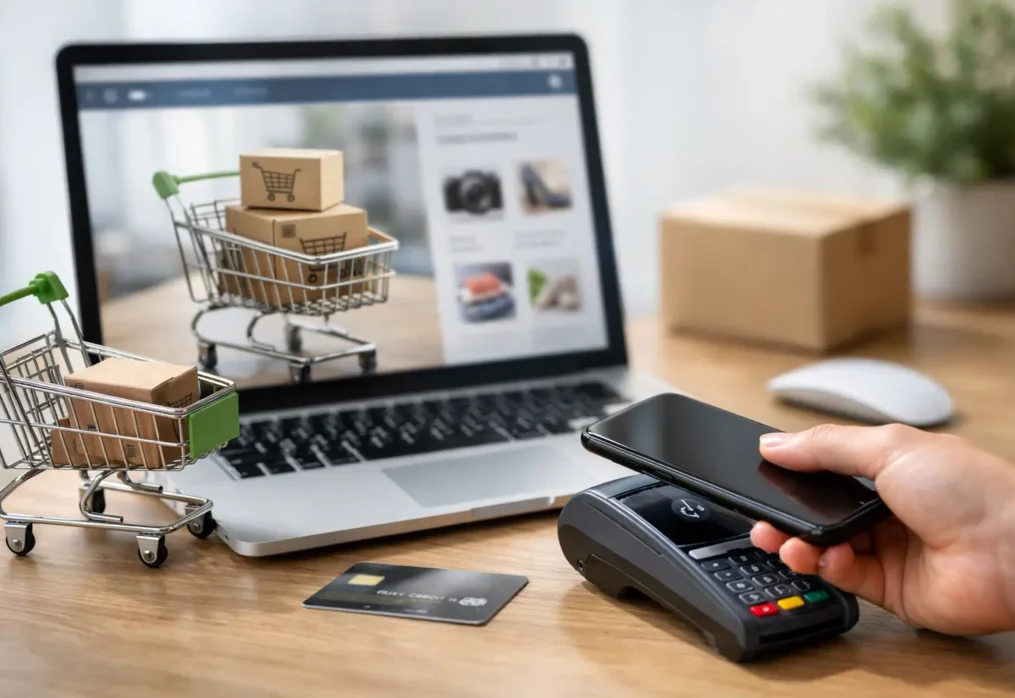

A shopper has found the right product, accepted the price, and reached checkout. This is not the moment for hesitation, confusing forms, or a payment error. Ecommerce payment gateway integration is where your store either converts hard-earned attention into revenue or loses a customer at the finish line.
For growing businesses, payments are not simply a technical box to check. They shape how professional your brand feels, how easily customers can buy from different devices and countries, and how confidently you can scale. A well-planned payment experience protects revenue while making the last step of the customer journey feel easy.
Why Payment Integration Has a Direct Impact on Sales
Your advertising, social media, website design, and product pages all work toward one outcome: getting the customer to complete a purchase. If checkout feels untrustworthy or takes too long, the investment behind every click becomes less effective.
Customers expect familiar payment methods, clear totals, fast loading, and immediate confirmation. They may not know which payment provider powers the transaction, but they notice when the process feels unreliable. A poorly designed checkout can make even an excellent brand look unprepared.
The business impact goes beyond individual orders. Payment friction can increase abandoned carts, create support requests, complicate refunds, and make financial reporting harder than it needs to be. On the other hand, a clean payment flow supports repeat purchases and gives customers a stronger reason to trust your business again.
What a Payment Gateway Actually Does
A payment gateway securely passes payment information between your online store, the customer’s bank or card provider, and your merchant account or payment processor. It authorizes the transaction and returns a response to your website, allowing the order to be confirmed, declined, or held for review.
The terminology can become confusing because some providers offer several services under one name. A gateway handles the secure payment communication. A processor moves funds through the payment network. A merchant account receives card payments for your business. Many modern payment platforms combine these functions, which can make setup easier for smaller stores.
What matters most is the experience your customer sees and the control your business keeps behind the scenes. Your solution should work with your ecommerce platform, support the currencies and payment methods you need, and give your team a practical way to manage orders, refunds, disputes, and payouts.
Choosing the Right Gateway for Your Business
There is no single best payment gateway for every business. The right choice depends on where you sell, what you sell, your average order value, your ecommerce platform, and the expectations of your audience.
A local retailer selling primarily within the United States may prioritize cards, digital wallets, fast setup, and transparent transaction fees. A brand selling internationally may need multi-currency support, local payment options, tax considerations, and reliable fraud controls across markets. B2B sellers may also require invoice payments, bank transfers, or payment terms that a traditional consumer checkout does not address.
Before choosing a provider, assess these four areas:
- Platform compatibility: Confirm that the gateway works properly with your existing ecommerce platform, theme, inventory tools, and order management process.
- Customer payment preferences: Credit and debit cards remain central, but mobile wallets, buy now pay later services, and bank-based options may matter to your audience.
- Costs and payout timing: Look beyond the headline transaction fee. Consider chargeback fees, currency conversion costs, monthly fees, and how long it takes for funds to reach your account.
- Security and support: Review fraud tools, PCI compliance responsibilities, account stability, dispute handling, and the quality of support when a time-sensitive issue appears.
Avoid choosing only based on the lowest fee. Saving a small percentage per transaction is not helpful if the provider creates checkout failures, limits your ability to sell internationally, or gives customers payment options they do not recognize.
Ecommerce Payment Gateway Integration Starts With the Customer Journey
A successful ecommerce payment gateway integration begins before development. First, map the route your customers take from product discovery to order confirmation. Review where they shop, which devices they use, whether they are likely to be first-time buyers, and what information they need before paying.
For example, a fashion brand promoted heavily on Instagram should expect a high percentage of mobile traffic. Its checkout must be quick on a small screen, support mobile wallet payments, and avoid unnecessary fields. A wholesale supplier may need a more detailed flow with account approval, purchase orders, or payment terms. Both businesses need payments, but the right checkout design is very different.
This planning stage also identifies operational requirements. Determine who will process refunds, how stock is updated after successful payment, what happens when a payment fails, and which notifications customers receive. When these decisions are left until the end, businesses often end up with a checkout that technically works but creates manual work every day.
Keep Checkout Focused
Every unnecessary action at checkout creates another opportunity for a customer to leave. Ask only for information that is required to fulfill the order, communicate delivery costs early, and make calls to action clear. Guest checkout is usually valuable for consumer brands because it removes the barrier of forced account creation.
At the same time, simplicity should not mean a lack of reassurance. Display clear order details, refund information, contact options, and recognizable payment choices. Trust is built through small signals that tell the shopper they are dealing with a legitimate, organized business.
Use a Branded Experience Where It Makes Sense
Some gateway setups redirect customers to a hosted payment page. This can be a practical, secure option, particularly for a new store with limited development needs. The trade-off is less control over the visual experience and a possible break in brand continuity.
An embedded or on-site checkout can create a more consistent customer experience and offer more flexibility. It may also require more careful design, testing, and compliance attention. The best approach depends on your budget, technical setup, and the importance of a highly tailored checkout flow to your brand.
Security Is a Sales Feature, Not Just a Requirement
Customers share sensitive payment information only when they feel safe. Security must be designed into your payment process from the start, not added as an afterthought.
Use providers that support recognized payment security standards and tokenization, which replaces raw card details with secure tokens. This reduces the amount of sensitive payment data your business handles directly. Enable address verification, card security checks, and fraud screening rules appropriate to your order volume and risk profile.
Be careful not to make fraud prevention so aggressive that real customers are blocked. High-value orders, international purchases, and first-time buyers can sometimes trigger risk tools even when they are legitimate. Review declined transactions and chargeback patterns regularly. The goal is to protect the business without punishing qualified customers.
Clear privacy policies, secure site performance, and professional design all support this effort. A customer does not separate technical security from brand credibility. They see one purchasing experience and make a quick decision about whether your business deserves their trust.
Test the Entire Payment Flow Before You Launch
A payment gateway can appear properly connected while still failing in real-world situations. Testing should include more than making one successful purchase from a desktop computer.
Run test orders on mobile and desktop devices. Check successful payments, declined cards, expired cards, refunds, canceled orders, discount codes, shipping calculations, and confirmation emails. If you sell internationally, test currency display and payment methods for your priority markets. Confirm that inventory updates correctly and that staff can identify each transaction in the store dashboard and payment provider account.
It is also wise to review the checkout during high-traffic campaigns. A promotion can bring more visitors than usual, and any hidden issue becomes expensive when it affects a larger volume of shoppers. Your development and marketing teams should be aligned before launching ads, influencer campaigns, or seasonal sales.
Improve Checkout With Real Performance Data
Payment integration is not a one-time project. After launch, monitor conversion rate, checkout abandonment, payment decline rate, refund volume, chargebacks, and average order value. These metrics reveal where customers may be losing confidence or encountering friction.
If many shoppers abandon checkout after seeing shipping costs, the issue may not be the gateway itself. If card declines rise sharply, investigate whether fraud settings, provider issues, or inaccurate customer information are involved. If mobile conversion lags behind desktop, review button size, loading speed, wallet availability, and the number of form fields.
Small changes can create meaningful commercial gains. Adding a preferred payment method, clarifying delivery timing, or improving the error message after a declined payment can help recover sales that would otherwise disappear.
Build Payments Into Your Bigger Digital Growth Plan
Your checkout should not operate separately from your brand, marketing, and website strategy. It is the point where your social campaigns, search visibility, product presentation, and customer trust become measurable revenue.
RDM Media helps businesses bring these moving parts together, from ecommerce design and development to brand presentation and growth-focused digital marketing. The objective is not just to place a payment button on a website. It is to create a buying experience that looks credible, works reliably, and supports the way your business wants to grow.
Give your customers a checkout experience that respects their time and earns their confidence. When buying feels clear, secure, and easy, your digital presence has a far better chance of becoming the sales engine your business needs.