

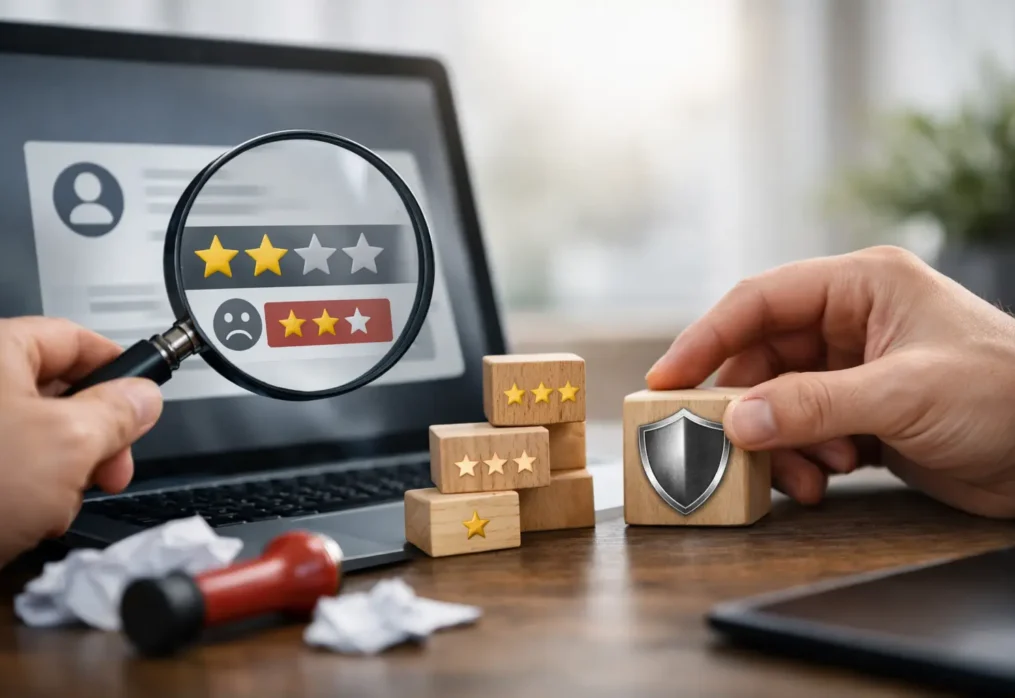

A one-star review from a real customer can reveal a problem worth fixing. A one-star review from someone who never bought from you can cost leads, weaken trust, and distort the story people see before they ever call, visit, or buy. Fake review removal is not about silencing criticism. It is about protecting the accuracy of your online reputation so customers can make decisions based on real experiences.
For a local service business, a restaurant, an e-commerce store, or a B2B provider, reviews are often part of the sales process. Prospects compare ratings, scan recent comments, and look for signs that a company is professional, responsive, and credible. One suspicious review may not destroy a strong brand, but a pattern of fraudulent feedback can create real commercial damage if it is ignored.
What Counts as a Fake Review?
A fake review is feedback that does not reflect a genuine customer experience. It may come from a competitor, a former employee, a bad-faith actor, a reviewer paid to post negative comments, or an account that is confusing your business with another company. It can also include copied language posted across multiple businesses or a review tied to a transaction that never happened.
Not every harsh review is fake. This distinction matters. Customers have the right to express disappointment, and businesses that challenge every negative comment can appear defensive. A valid complaint may feel unfair or exaggerated, yet still represent a real interaction. The right goal is not to remove unfavorable opinions. It is to identify content that violates a platform’s policies and address legitimate customer concerns with professionalism.
Common warning signs include a reviewer you cannot find in your records, vague accusations with no service details, an account that has reviewed dozens of unrelated businesses in a short period, or identical wording appearing elsewhere online. A sudden cluster of negative reviews after a dispute, competitor opening, or social media incident may also deserve closer inspection.
Why Fake Review Removal Is a Revenue Issue
Your reputation is not separate from marketing. It shapes whether paid traffic converts, whether a referral follows through, and whether a shopper trusts your checkout page. When potential customers see unresolved accusations on a major review platform, they may leave before giving your team a chance to show what makes your business different.
The impact is especially sharp for businesses with a smaller number of reviews. A single one-star rating can move an average noticeably, while a series of suspicious comments can make a growing company look unreliable. For established brands, fake reviews can still undermine a hard-earned position by placing misleading content beside years of genuine customer praise.
There is also an internal cost. Teams can spend hours arguing with anonymous accounts, responding emotionally, or chasing removal through the wrong channels. A clear process protects your time and keeps your response focused on customers, not distractions.
How to Handle Fake Review Removal the Right Way
Start by documenting the review before taking action. Capture screenshots that show the full text, reviewer name, date, star rating, and profile activity where available. Keep notes on why the review appears fraudulent, such as no matching order, no service appointment, or a copied statement. If the review is later edited or removed, your record will still support your case.
Next, check your customer records carefully. Search for variations of the reviewer’s name, email, order number, address, appointment date, and employee notes. For businesses with multiple locations or a busy support team, confirm that the reviewer did not interact through a different channel. Filing a report without checking can lead to a missed opportunity to resolve a genuine issue.
Once you have a reasonable basis, report the review through the platform’s official process. Select the most accurate policy reason rather than writing a broad complaint. Platforms are more likely to act when your report clearly aligns with a stated violation, such as spam, harassment, conflict of interest, impersonation, or content unrelated to an actual experience.
Avoid submitting multiple reports from staff members, friends, or customers. That can look coordinated and may reduce the credibility of your request. A concise, evidence-based submission is usually more effective than an angry appeal.
Respond Publicly Without Escalating
A report does not always result in immediate removal. While the platform reviews the content, a public response can show future customers that your business is attentive and fair. Keep it brief, factual, and calm.
You might say that you cannot locate a record of the interaction and invite the reviewer to contact your team directly with dates, details, or an order reference. Do not reveal private customer information, speculate about the person’s identity, threaten legal action in public, or accuse them of lying. Your response is primarily for the next customer reading the page, not for winning an argument with the reviewer.
If the review is genuine, acknowledge the concern and state what you are doing to help. A thoughtful response to a real complaint can build more trust than a page filled with generic five-star ratings.
Escalate When the Pattern Is Serious
Some situations require more than a standard report. If an ex-employee, competitor, or third party is posting repeated false claims, organize your evidence in one file. Include screenshots, account links or identifiers, relevant transaction records, dates, and prior report confirmations. Then use the platform’s escalation route if one is available.
For accusations that are demonstrably false and damaging, consider speaking with qualified legal counsel in your jurisdiction. This is not the first step for ordinary negative feedback, and legal threats can create more attention around a review. It may be appropriate, however, where there is harassment, impersonation, extortion, coordinated attacks, or false statements causing measurable harm.
What Not to Do After a Fake Review Appears
The fastest way to make a reputation problem worse is to manufacture positive feedback. Do not buy reviews, ask employees or relatives to pose as customers, or offer incentives in exchange for only positive ratings. These tactics can violate platform rules, damage trust, and leave your business exposed if customers discover what happened.
Do not create a new business profile to escape bad feedback, either. That can confuse customers and may violate platform guidelines. Build authority on the profile customers already recognize.
Finally, do not let one fraudulent comment dictate your entire marketing strategy. If your website, social channels, customer service, and review profile all communicate a consistent level of quality, a suspicious review has less power to shape perception.
Build a Reputation That Is Hard to Undermine
The strongest defense against fake reviews is a steady flow of authentic customer feedback. Make review requests part of your normal customer experience, not an emergency tactic used only after a bad comment appears. Ask shortly after a completed service, successful delivery, or resolved support interaction, when the experience is fresh.
Keep the request simple and neutral. Invite customers to share an honest opinion, then make it easy for them to reach the right profile. Your team should never pressure people for five stars. Genuine reviews that mention specific services, products, and outcomes are more persuasive than a sudden rush of short, identical praise.
Reputation management also works best when it connects to the rest of your digital presence. An accurate business profile, a credible website, active social media, clear service information, and responsive communication all reinforce customer confidence. RDM Media helps businesses bring these pieces together so their reputation supports visibility, engagement, and sales rather than becoming a source of constant risk.
Set a routine for monitoring reviews across your key platforms. Weekly may be enough for some B2B companies, while retail, hospitality, and high-volume service businesses may need daily checks. Assign ownership, create response guidelines, and track recurring issues. A review can reveal gaps in fulfillment, expectations, staff training, or communication even when it cannot be removed.
Customers do not expect perfection. They expect a business that listens, acts with integrity, and stands behind its work. Protect the truth in your reviews, keep earning real feedback, and let the quality of your customer experience become the reputation that speaks loudest.