

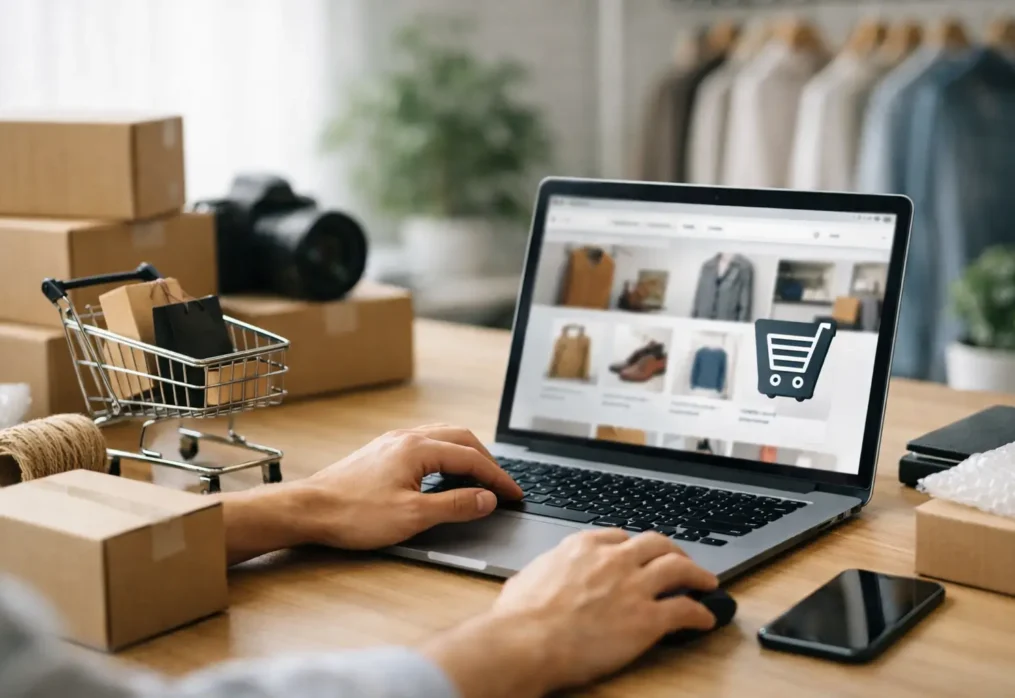

A storefront can be open 24 hours a day and still make no sales. That is the hard truth many business owners discover after rushing a website live with a few product photos and a checkout button. Learning how to launch an online store is not just a technical task. It is a commercial decision that brings together your brand, customer experience, product strategy, and marketing plan.
The strongest online stores do not feel like digital catalogs. They make customers feel confident about what they are buying, why it is worth the price, and why they should buy from you instead of a competitor. Start with that standard, and every decision becomes more focused.
Start With a Clear Sales Opportunity
Before choosing a platform or approving a homepage design, get specific about what your store is meant to achieve. Are you taking a successful local retail business online? Launching a new direct-to-consumer product? Creating a wholesale channel for B2B buyers? Each goal calls for a different structure, message, and marketing approach.
Define the customer you want to serve in practical terms. Consider what problem they are trying to solve, what stops them from purchasing, where they already spend time online, and what would make them trust a new brand. A skincare customer may need ingredient transparency and reviews. A corporate buyer may need product specifications, bulk pricing, and a fast way to request a quote.
This stage also requires an honest look at your margins. E-commerce revenue is only valuable when shipping, packaging, transaction fees, returns, advertising, and inventory costs are accounted for. A product that looks profitable at first can become difficult to scale if the customer acquisition cost is too high.
Build a Brand Customers Can Recognize
An online store has only seconds to make a first impression. If the visual identity is inconsistent, the writing is vague, or the product photography feels unprofessional, visitors may leave before they understand the value of what you offer.
Your brand should answer three questions quickly: who is this for, what makes it different, and why should I trust it? Your logo, colors, typography, imagery, product descriptions, and social content should work together to give the same answer. This is especially important for new businesses that do not yet have years of reputation behind them.
Avoid treating branding as a decoration added at the end of the project. A confident brand informs the store’s design, tone of voice, packaging, pricing, and promotions. If you sell premium products, every touchpoint should support that position. If your advantage is speed, value, or convenience, make that promise visible from the first screen.
Product pages deserve your best work
A weak product page forces people to guess. A high-performing one removes hesitation. Use clear product names, accurate descriptions, strong images, dimensions or sizing information, delivery expectations, and answers to common questions. Show the item from multiple angles and include video when it genuinely helps customers understand the product.
Do not copy generic manufacturer descriptions if you can avoid it. Explain the benefit in the language your customers use. Features matter, but outcomes usually sell. Instead of simply saying a bag has a padded compartment, explain how it protects a laptop during a daily commute or business trip.
Choose Technology That Fits Your Business
There is no single best e-commerce platform for every company. The right choice depends on your catalog size, budget, internal resources, sales model, fulfillment setup, and future plans.
A hosted platform can be a smart option for a straightforward store because it reduces technical maintenance and gets you to market faster. A more customized build may be appropriate when you need complex product configurations, wholesale pricing, subscription functions, system integrations, or a distinct customer experience. The trade-off is usually cost, build time, and ongoing support.
Do not select technology based only on what looks popular. Think about the day-to-day work after launch. Can your team update inventory, create promotions, process orders, and review customer data without relying on a developer for every small change? The store should support growth, not create a new operational bottleneck.
Your checkout deserves the same attention as your homepage. Keep the process simple, make shipping costs clear before the final step, offer trusted payment options, and test it on mobile devices. Many purchases are lost because checkout is confusing, slow, or unexpectedly expensive.
Prepare Operations Before the First Order
A polished store cannot compensate for unreliable fulfillment. Before going live, establish how products will be stocked, packed, shipped, tracked, exchanged, and returned. Customers remember the complete experience, not just the moment they clicked Buy Now.
Set realistic shipping timelines and communicate them clearly. If an item is made to order, say so. If shipping is free only above a certain order value, make the threshold easy to understand. Clear policies build trust and reduce the customer service issues that can drain a small team’s time.
You should also prepare customer support. Decide who responds to email inquiries, how quickly they will reply, and what process they will follow when an order is late or damaged. A helpful response can protect a customer relationship. Silence can turn one issue into a negative review that affects future sales.
How to Launch an Online Store With Demand Behind It
Launching without an audience is possible, but it is much harder. The most successful store launches create interest before the site is live. Start building an email list, preview products on social media, share behind-the-scenes content, and invite early customers into the story of the brand.
The goal is not to collect attention for its own sake. It is to reach people likely to buy. A large follower count that never visits your store has little commercial value. Focus on content that demonstrates your product, reflects your brand personality, and gives customers a reason to take the next step.
For a launch campaign, make the offer clear. You might introduce a limited first collection, early access for subscribers, a bundle, a gift with purchase, or a time-sensitive incentive. Use urgency carefully. Constant discounts can weaken your brand and train customers to wait for a lower price. For premium brands, exclusivity, limited availability, or added value may work better than a deep discount.
Paid advertising can accelerate visibility, but it should not be your only plan. Test a small number of focused creative concepts and measure what drives qualified traffic and actual purchases. Pair paid campaigns with organic social content, email marketing, and retargeting for people who visited products without checking out.
Measure What Customers Actually Do
Do not judge your store only by sales in the first week. Sales are the outcome, but the path customers take reveals where improvement is needed. Review traffic sources, product page views, add-to-cart rates, checkout completion, average order value, repeat purchases, and return reasons.
If people visit but do not add products to their cart, the issue may be pricing, product presentation, unclear value, or low trust. If they add items but abandon checkout, look at shipping costs, payment options, page speed, and checkout friction. Data gives direction, but customer feedback adds context. Read reviews, support requests, social comments, and post-purchase responses closely.
Treat launch as the beginning of optimization, not the final deadline. Update pages, test messaging, improve product imagery, refine offers, and invest more in channels that produce profitable customers. Small changes made consistently can create a major difference in conversion over time.
Bring the Store and Marketing Together
Your store should not operate separately from the rest of your digital presence. Your social media profile, paid campaigns, email campaigns, search visibility, online reviews, and website experience should lead customers toward the same brand promise.
This is where many businesses lose momentum. They invest in a store but do not create the marketing engine needed to bring qualified people to it. Or they generate strong social engagement but send customers to a site that does not reflect the quality of the content that attracted them.
An experienced partner such as RDM Media can help connect the full picture, from e-commerce development and creative assets to social-first audience growth and performance-focused marketing. The right support is particularly valuable when your team has a strong product but limited time to manage design, technology, content, and campaign execution alone.
Your first version does not have to be enormous. It has to be credible, clear, and ready to serve customers well. Build the store your business can operate confidently today, then let real customer behavior show you where to grow next.